




“She’s the brains of the operation,” says Al Enslen, grinning as he nods at his wife, Dee, and the final draft of their soon-to-be-published book about monarch butterflies.
It’s been a labor of love for the couple, whose literary goal is to educate people about the colorful but fragile creatures so often taken for granted. While not listed as endangered, monarchs, which feed only on the leaves of milkweed plants during their caterpillar stage, are considered highly imperiled, primarily due to the disappearance of their habitat.
“I’d like to see a lot more people planting milkweed and other pollinator plants that attract Monarchs in their yards,” says Dee, pointing to pages of photographs she captured with her camera. “It’s such an easy thing to do and makes such a difference.”
The book features vivid images and descriptions that detail the monarch’s life cycle, beginning with a tiny egg that becomes a caterpillar, then forms a chrysalis from which wings of brilliant orange, black, and white emerge.
The process, which takes four to five weeks to complete, never ceases to fascinate Al, who, after retiring from a career in the U.S. Air Force as a captain, was an auditor for the Department of the Navy and later a program analyst with the Department of Housing and Urban Development.
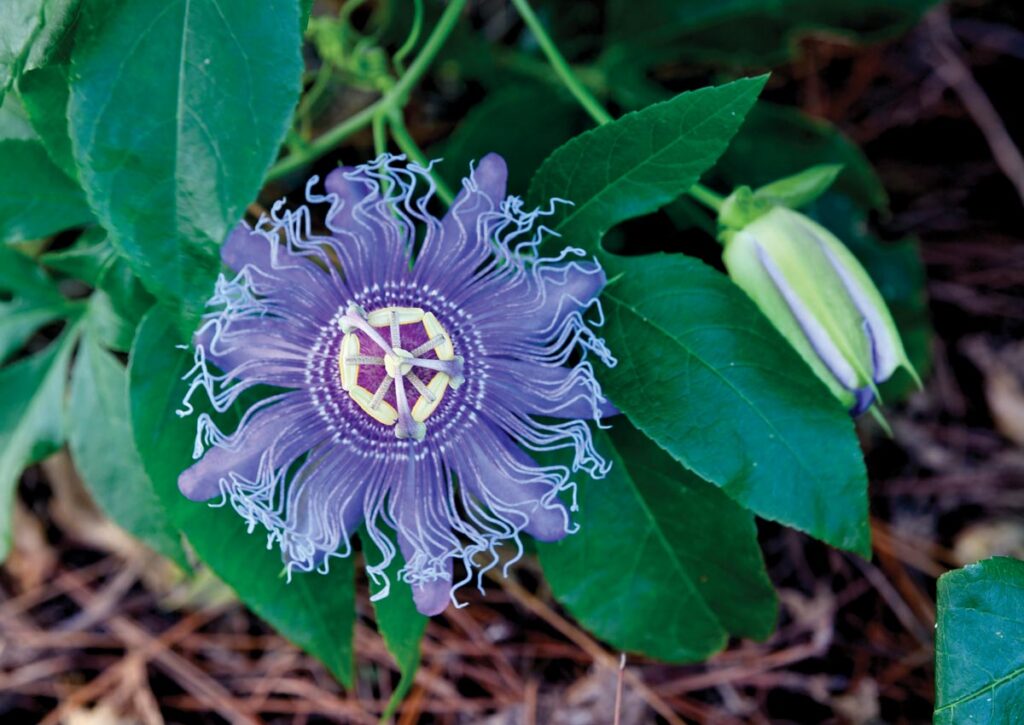
Both he and Dee, a former program analyst with the Department of Commerce, knew little to nothing about the care and feeding of monarchs. That was about to change once they left Northern Virginia and moved to Vero Beach, where they planted trees and flowers and created a butterfly garden.
“We learned about monarchs through observation and a lot of research,” Dee points out. “As Al and I were caring for the plants, we noticed there were baby caterpillars living on the leaves. When they began to grow, we saw that some of them were disappearing, and we discovered geckos were eating the babies, so we made up a large pot of milkweed, let the butterflies lay their eggs, and brought the pot inside the screen enclosure on our patio. Then one day we saw a chrysalis on the lip of the pot.
“We’ve had a number of unique experiences watching and photographing the monarch butterfly’s entire life cycle. Every time you set one free it’s such a beautiful sight. It’s interesting that they instinctively know what needs to be done at each stage of their development.”
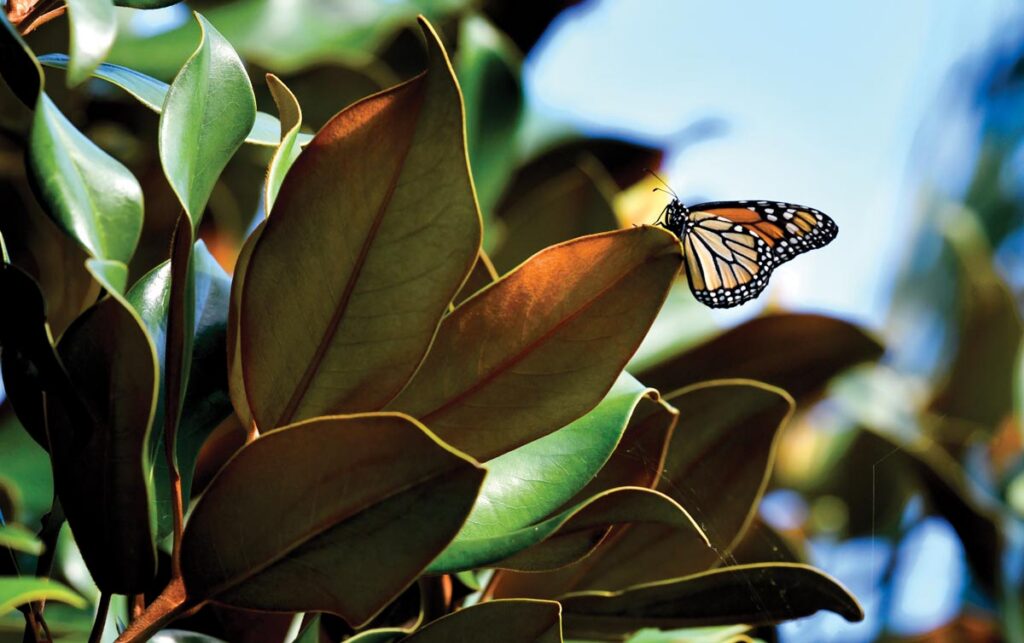
For many monarchs, those instincts include an annual fall migration that takes them from Canada and parts of the Northern United States 3,000 miles south to Mexico. This migration pattern doesn’t include Vero Beach, as “our” monarchs need to fly farther south only when temperatures drop into the low to mid 30s.
“The neat thing is that when you raise monarchs, the same ones keep coming back,” Dee enthuses. “Little did we know that planting a butterfly garden would lead to us learning so much about monarchs, and we decided to do a book about the pitfalls to avoid—as well as the joys. It’s such a wonderful experience!”





 True Tails is a series written by Amy Robinson for Vero Beach’s dog lovers. Ask Amy about your dog’s behavior by clicking below.
Facebook Comments