


August is the height of summer in Florida. Temperatures remain high, afternoon rains arrive regularly, and our landscapes are lush and actively growing. August is the month between warm, wet weather and the beginning of cool, dry weather to come—one of the best times of the year to prepare plants for future stress.
Many homeowners focus on what is happening above ground: new leaves, flowers, and rapid growth. However, some of the most important work is also happening below the soil surface. The freeze in February really reminded us that plants often survive because of the strength of the root systems and their ability to store energy that supports them through difficult conditions.
As summer begins to wind down, the goal should not be to push plants into producing as much growth as possible. Instead, gardeners should focus on helping landscapes develop strong roots, healthy tissues, and energy reserves needed to withstand the cooler temperatures, drought, and other environmental stresses.

One of the easiest ways to support this process is through proper irrigation management. Summer rainfall often provides much of the water established landscape plants need. Irrigation systems that continue to run on automatic schedules after significant rainfall can create overly wet conditions, encourage shallow root growth, and reduce the efficiency of the plant’s root system. Allowing established plants to experience mild periods of dryness encourages roots to grow deeper and become more effective at finding water when conditions become less favorable.
Nutrient management is equally important. August is not the time for heavy nitrogen applications simply because plants appear to be growing and need to be fed. Excess nitrogen late in the growing season can encourage lush, tender growth that may be more vulnerable to future cold damage. If plants are showing signs of nutrient deficiencies, a micronutrient supplement is best to support strong root systems, sturdy stems, and the ability to use water and nutrients efficiently. Healthy plants are not necessarily the fastest-growing plants.
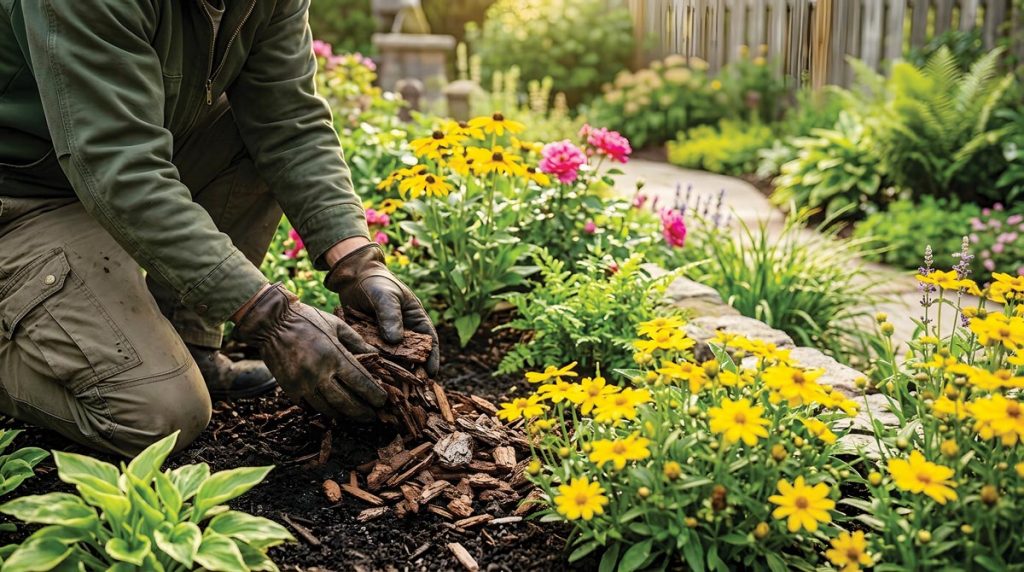
Mulch remains one of the most valuable tools in the Florida landscape. A 2-to-3-inch layer of mulch helps conserve soil moisture, reduce weed pressure, moderate soil temperatures, and protect roots from environmental extremes. During February’s freeze, many plants survived because their root systems were insulated beneath mulch and soil, even when the top growth was damaged. Those same roots are now responsible for rebuilding the plant and preparing it for future challenges.
Gardeners should also think carefully before pruning tropical and subtropical plants late in the season. This action can possibly stimulate new succulent growth that is susceptible to damage from low temperatures. The older leaves and stems are also best left on the plant because they have hardened off, providing natural protection against temperature fluctuations. These healthy canopies will continue to provide buffering when cooler weather eventually arrives.
Florida’s seasonal changes may be subtle to humans, but plants recognize the shorter days and gradually changing temperatures. They shift from growth cycles to storage and preparation for dormancy/semi-dormancy. August is a great month to focus on resilience instead of rapid growth. Your landscape will be healthier, stronger, and better prepared for whatever weather we receive here in Central Florida this fall and winter.
Nickie Munroe is an environmental horticulture agent with the University of Florida’s IFAS Indian River County Extension.





 True Tails is a series written by Amy Robinson for Vero Beach’s dog lovers. Ask Amy about your dog’s behavior by clicking below.
Facebook Comments