




Do you have a question for our expert horticulturist? If so, send it to asknickie@verobeachmagazine.com.
November brings one of the great rewards of gardening in Florida: more people can comfortably go outside again. After months of heat, humidity, afternoon thunderstorms, mosquitoes, and the constant temptation to retreat to the kind care of air-conditioning and ceiling fans, our landscapes become inviting places to linger. Morning coffee can move onto the patio. Evening conversations can happen outdoors. Even a walk around the yard feels less like an endurance event.
Those pleasant walks are also an excellent opportunity to see what your landscape needs as we enter Florida’s cooler, drier season. November is the last full month of fall and a great time to prepare for winter’s official arrival in December. We can expect the cold fronts and occasional cold snaps that remind us that even subtropical Florida can give us the cold shoulder. Use these comfortable November days to identify plants most likely to need extra help, so you are not rushing outside with sheets, blankets, and almost no plan as to which plants will need them most.
Walk your landscape and identify tropical, cold-sensitive, or particularly treasured plants. These are the ones you will want to remember when temperatures are about to fall. The most protective thing is keeping the recommended 2 to 3 inches of mulch over as much of the root zone as possible. This healthy layer of mulch will help moderate soil temperatures and conserve moisture during our cool, dry season. You do not necessarily have to prepare every plant for winter with the same intensity. Know which plants are vulnerable and concentrate your efforts where they will matter most.
Our plants respond to shorter days and cooler temperatures by slowing their growth, which means their water needs also decline. Established landscapes generally do not need the same irrigation schedule used during hotter periods of active growth. Think of cool-season irrigation as maintenance water rather than growth support. Normally, one deep watering a week is enough to keep your landscape healthy and beautiful. During semi or full dormancy, excessive watering can interrupt this important resting period for our landscapes.
This is particularly important in turfgrass. Large patch disease becomes troublesome during cooler weather. Watch for expanding, somewhat circular or symmetrical areas of damaged grass. Reduce watering, confirm fungal disease, and then treat accordingly. The lack of rain during this time of year is very helpful when it comes to managing this sort of landscape damage.
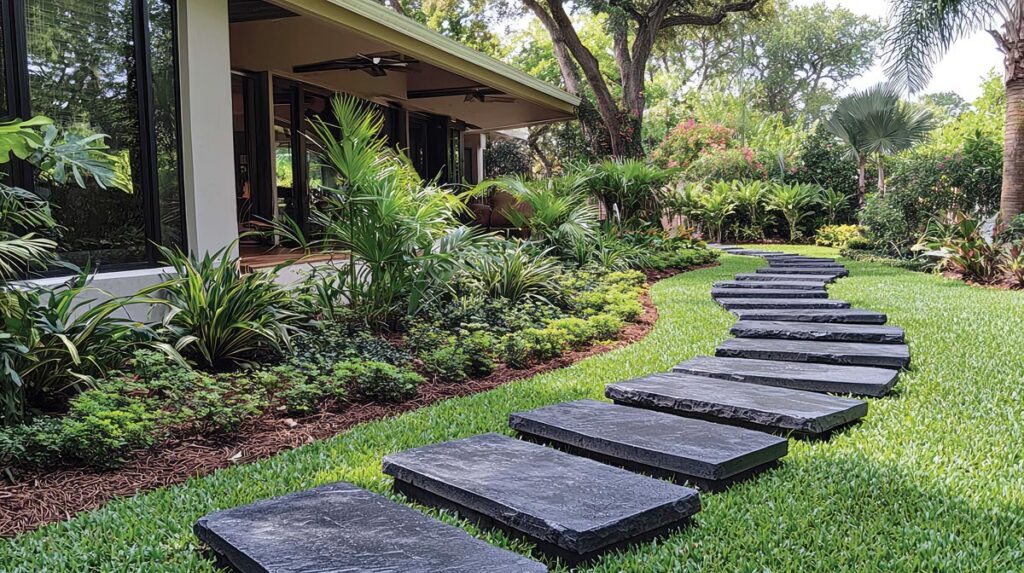
Another thing to consider is that your warm-season turfgrass is not actively growing and will not recover from repeated traffic as quickly as it did during summer. As the holidays bring visitors and outdoor entertainment increases, consider reducing random traffic patterns across the landscape that can mimic pest or disease damage. Sometimes I place attractive containers at intervals to gently guide visitors toward the path I would prefer them to take. One path to outdoor entertainment spaces is more manageable in the warm season than a patchwork of declining areas with unexplained causes.
November also offers a tactical advantage to homeowners with ornamentals that have struggled with scale-insect damage. The cooler, drier season allows for inspection and better treatment of localized populations. Pesticide applications are easier, more effective, and longer lasting when the critters are not moving around as much and rain is not washing the product away. This Florida-Friendly practice is very effective in setting up your plant for the eventual return of warmth.
Enjoy the rest of fall; Old Man Winter is hitching up his team preparing to visit for a while. I am going to be a horrible hostess and pray daily for him to feel very unwanted down here in our part of Central Florida. It’s time for me to go buy more marshmallows, as I have a few more fire pit evenings before the cold chases me inside for most of winter.
Nickie Munroe is an environmental horticulture agent with the University of Florida’s IFAS Indian River County Extension.





 True Tails is a series written by Amy Robinson for Vero Beach’s dog lovers. Ask Amy about your dog’s behavior by clicking below.

Facebook Comments